$120,000 Cross-Border Credit Card Fraud: How Legal Action Recovered It All
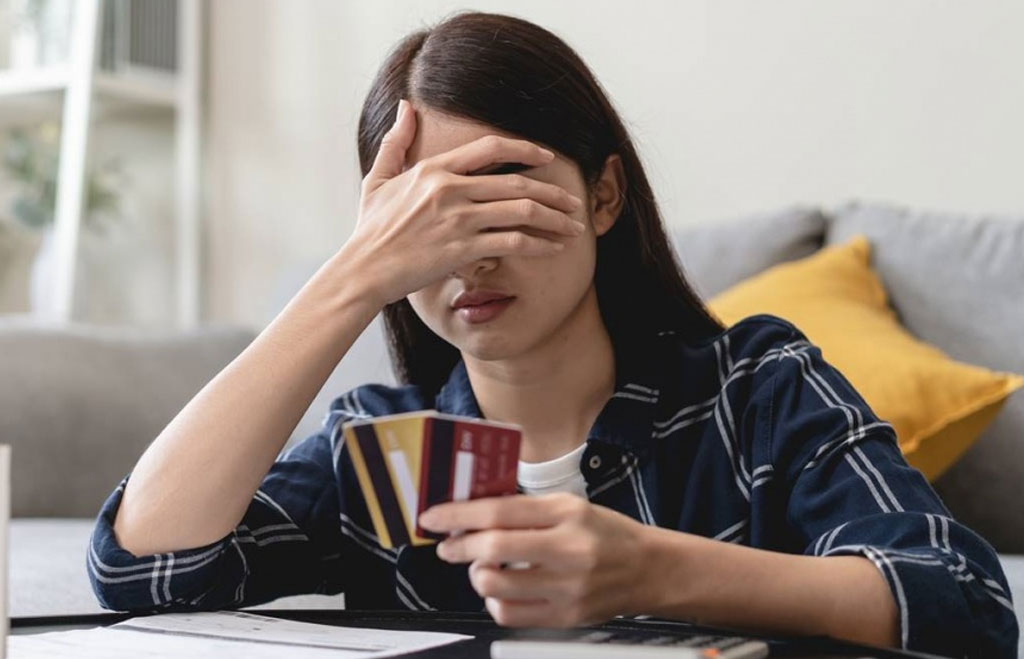
Mr. Chen (pseudonym) is a foreign trade business owner who frequently travels internationally. One day in 2025, he suddenly received transaction alerts from his bank showing large purchases on his credit card across multiple countries, totaling $120,000. But these transactions were not authorized by him — his card was in his possession the entire time, never lost.
Mr. Chen immediately contacted his bank to freeze the account and filed a dispute. However, the bank claimed the transactions were "authorized" and refused a full refund, agreeing only to partially reimburse. Faced with this situation, he realized relying solely on the bank would not fully recover his losses and decided to seek our help.
Cross-Border Credit Card Fraud Recovery Case: High-risk cross-border transactions, payment channel tracing and professional team assistance recover $120,000
Recovery Process
Phase 1: Timeline Reconstruction and Risk Assessment
After taking the case, our team first asked Mr. Chen to provide:
Location records for the day
Phone login records
Time of bank notifications
Time and location of each transaction
Recent phishing attempts or data breach concerns
By compiling all timing data, the team successfully built a complete "event timeline," confirming that transactions occurred seconds apart across locations thousands of miles apart — impossible for the same cardholder to have made.
This step was critical:
Objective data proved the transactions "could not have been made by the cardholder."
Phase 2: Data Breach Investigation
After confirming the fraud, our team did not immediately pursue fund recovery. Instead, they first investigated "how the card data was obtained."
They investigated from these angles:
Was risky Wi-Fi used?
Was payment made on an unsecured website?
Was the card skimmed at a hotel POS terminal?
Was there an e-commerce database breach?
Investigation results showed:
During an overseas trip, Mr. Chen had made an online purchase on a shopping platform whose backend terminal was linked to a high-risk third-party payment merchant, showing signs of exploitation by a fraud ring.
This phase established a stronger foundation for liability determination.
Phase 3: Payment Channel Investigation and Liability Assessment
Next, our team conducted an in-depth analysis of each suspicious transaction. They examined:
Clearing banks
Merchant Category Codes (MCC)
Terminal device fingerprints
IP geolocation tags
Acquiring bank agents
Transaction code-switching records
They ultimately discovered that all transactions originated from "high-risk code-switching merchants," some with empty registration data and suspected fake addresses. Transaction records showed "authorization successful," but the data was actually sent through forged devices.
This proved:
The bank's authorization judgment does not mean the transaction was real or legitimate.
Phase 4: Cross-Border Fund Tracing and Freeze
With liability established, the team began the most critical operation — fund recovery.
This step involved multiple international clearing and risk control systems:
Sending risk alerts to overseas acquiring banks
Requesting third-party payment platforms to freeze intermediary accounts
Notifying collection agencies to suspend clearing
Filing abnormal deduction reports with merchant registration agents
Because we acted quickly, Mr. Chen's stolen $120,000 was gradually returned within days.
Ultimately, all $120,000 was successfully recovered — far exceeding what the bank initially offered to cover.
Case Summary
Common Credit Card Fraud Techniques
Hackers steal credit card information through data breaches or phishing emails.
Scammers use forged payment platforms or overseas e-commerce sites for illegal transactions.
Large purchases are made at low-security merchants, exploiting bank risk control vulnerabilities.
"Test transactions" check if a card is usable before larger thefts.
Conclusion
After the case concluded, Mr. Chen said with emotion:
"If I had just waited for the bank to handle it, I never would have recovered the money. Fortunately, I found the Global Anti-Fraud Alliance, and they minimized my losses."