Invoice Fraud - Legal Recovery
Recover Money Lost to Invoice Fraud
If you have lost money due to invoice fraud, you are not alone, and with the right help, you may be able to get your money back.
How Invoice Fraud Works
Invoice fraud is a type of fraud where criminals trick individuals or businesses into paying fake invoices. Scammers pose as legitimate companies or service providers, sending payment requests that appear genuine.
These fake invoices may be sent by email, mail, or even text message. They may claim payment is overdue, threaten legal action, or demand immediate payment, pressuring victims into paying without questioning the source.
Once payment is made, the scammers often disappear without a trace. In some cases, scammers also use the payment information to commit identity theft, causing further financial damage.
This type of fraud, commonly known as invoice fraud or invoice scams, is becoming increasingly sophisticated and harder to detect.
Warning Signs of Invoice Fraud
Identifying online scams can be challenging, but here are some warning signs to watch for:
Unsolicited Invoices:
Be cautious of any unexpected bill, especially from someone you do not regularly deal with. Carefully check all information on the bill before paying.
Unexpected Changes to Payment Details:
Scammers may intercept real invoices or create convincing fakes with altered bank account information to divert funds. If payment details change suddenly, verify directly with the company using trusted contact information.
Urgent or Threatening Requests:
A common tactic in email scams is creating a sense of urgency. If an invoice demands immediate payment or threatens legal action, read it carefully before responding.
Unusual Payment Methods:
Requests for payment via gift cards, cryptocurrency, or cash are red flags. Legitimate businesses will not ask for payment this way — scammers do because these methods are difficult to trace and recover.
Unknown Contacts:
Scammers may impersonate well-known brands, company directors, or reputable suppliers. If something feels off, trust your instincts and take the time to verify their credentials.
Common Types of Invoice Fraud
PayPal Invoice Scams / Intuit Invoice Scams
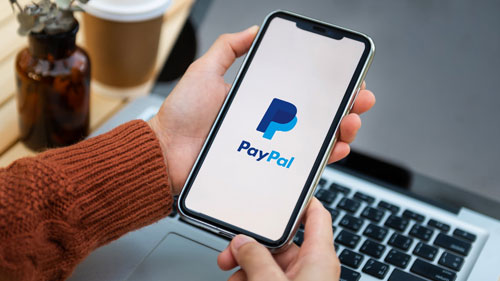
These scams involve abusing legitimate platforms like PayPal. Scammers use PayPal's billing tool to send payment requests that appear legitimate. They often leave fake customer support contact information in the seller's note, leading victims to contact the scammers directly when trying to inquire about or cancel the bill.
Email Invoice Scams
This scam uses phishing emails that appear to come from legitimate companies. Victims receive what looks like a normal bill, but it is a complete fraud. Scammers may forge company email addresses or impersonate company directors, especially when targeting work email accounts.
Amazon Invoice Scams / Apple Invoice Scams
Victims receive fake invoices that appear to be from Amazon or Apple, typically claiming they have purchased an expensive item. These fake invoices are designed to provoke a reaction — claiming the victim ordered an expensive phone, tablet, or computer. The message may trick victims into canceling the order — but doing so actually leads them into the scammers' trap, where they are tricked into handing over banking or login information in an attempt to cancel the fake order.
Antivirus Invoice Scams
These scams claim the victim's antivirus subscription has expired or their device is at risk. The fake invoice may include "support" contact information that actually leads directly to the scammers. Scammers trick victims into paying for unnecessary services or installing malware that can be used to steal banking details and login credentials.

Xuefeng Cheng, Attorney
We understand the anxiety and pressure behind every case. Our professional team provides one-on-one legal support, develops a rapid recovery strategy, and helps you recover losses and protect your rights. Contact us now for a personalized solution.